A surprising number of the world’s traded resins come from a single plant family.
The family
Burseraceae is the family behind frankincense (Boswellia), myrrh and guggul (Commiphora). Its members characteristically produce aromatic resins, which is why the family turns up wherever incense and resin have been traded.
Why resin
Resin is a response to wounding: the tree exudes it to seal damage. Tapping works with that, which is why resins are collected by cutting rather than by harvesting a part.
Family is not identity
Boswellia and Commiphora sit in one family and are not interchangeable. The family explains why both produce resin, not what either resin is.
On the label
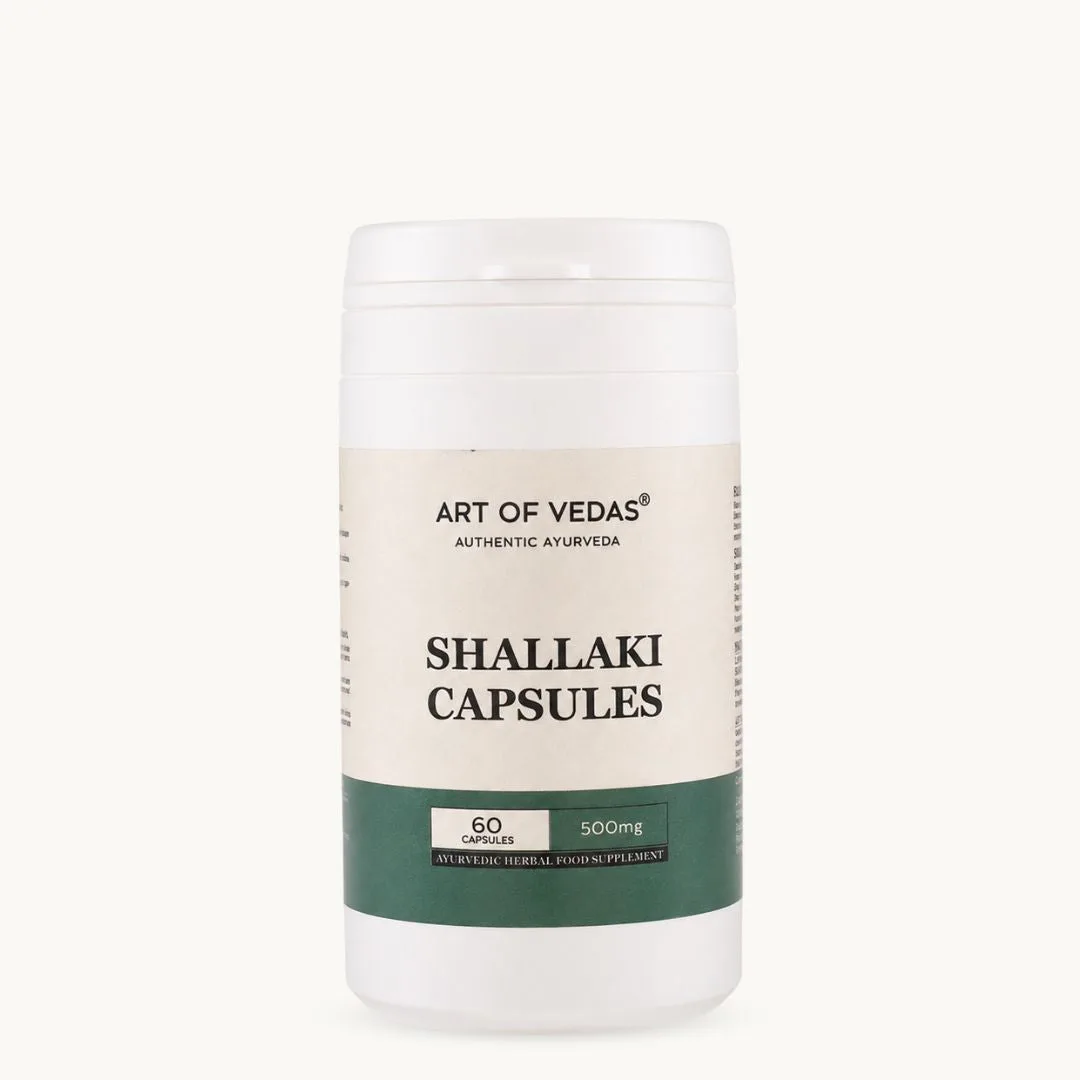
Shallaki Capsules name Boswellia serrata.
Frequently Asked Questions
What else is in Burseraceae?
Myrrh and guggul, among others.
Why do these trees make resin?
It seals wounds in the bark.
Does the family tell me about use?
No. It describes botanical structure.
This article is for educational purposes and describes the classical Ayurvedic record. The products mentioned are food supplements, not a substitute for a varied, balanced diet, and are not intended to diagnose, treat, cure or prevent any disease. Take them under the guidance of a qualified Ayurvedic practitioner.