A methodical head-to-toe routine turns a handful of separate applications into one coherent ritual. While a Kuzhambu is a semi-solid preparation designed for targeted local work rather than broad pouring, a considered full-body sequence simply moves that focused attention from zone to zone in the classical order. This guide sets out a crown-to-sole progression with a sense of timing for each region, so the whole practice flows calmly from start to finish.
Before You Begin
Prepare the setting first. Warm the Kuzhambu container gently until the amount you need becomes workable, since a semi-solid preparation firms when cool. Choose a warm, draught-free room and set aside unhurried time. Because a Kuzhambu is applied warm and worked slowly into each area, the sequence rewards patience rather than speed. Have a clean implement for scooping and a warm cloth to hand for the warmth that traditionally follows oiling.
The Head-to-Toe Order
The classical progression moves from the crown downward. Begin at the head and scalp with light, attentive contact. Move to the face and ears, then the neck and shoulders. Continue down each arm to the hands, giving the joints unhurried attention. Work across the chest and back as far as is comfortable, then the abdomen with a gentle, following motion. Move down each leg to the knees and ankles, and finish at the feet and soles, which traditionally receive generous, closing attention. Working in this settled order keeps the ritual orderly and complete.
Timing for Each Zone
- Head and scalp: a short, light phase to settle into the routine.
- Neck, shoulders and arms: unhurried attention to the joints and along the limbs.
- Chest, back and abdomen: gentle, following strokes as far as is comfortable.
- Legs and knees: steady work downward along each leg to the ankles.
- Feet and soles: a generous closing phase, traditionally given extra time.
Finishing the Sequence
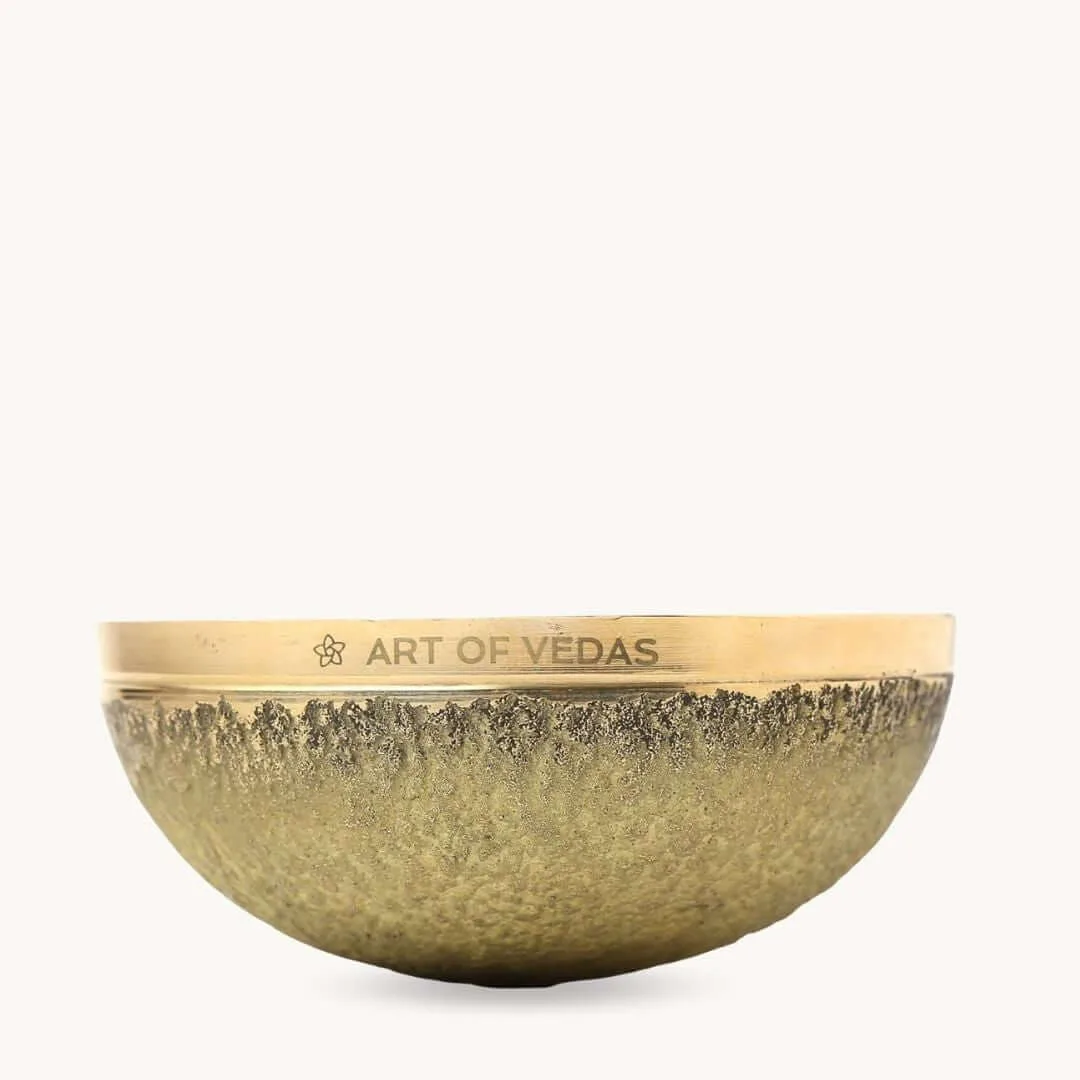
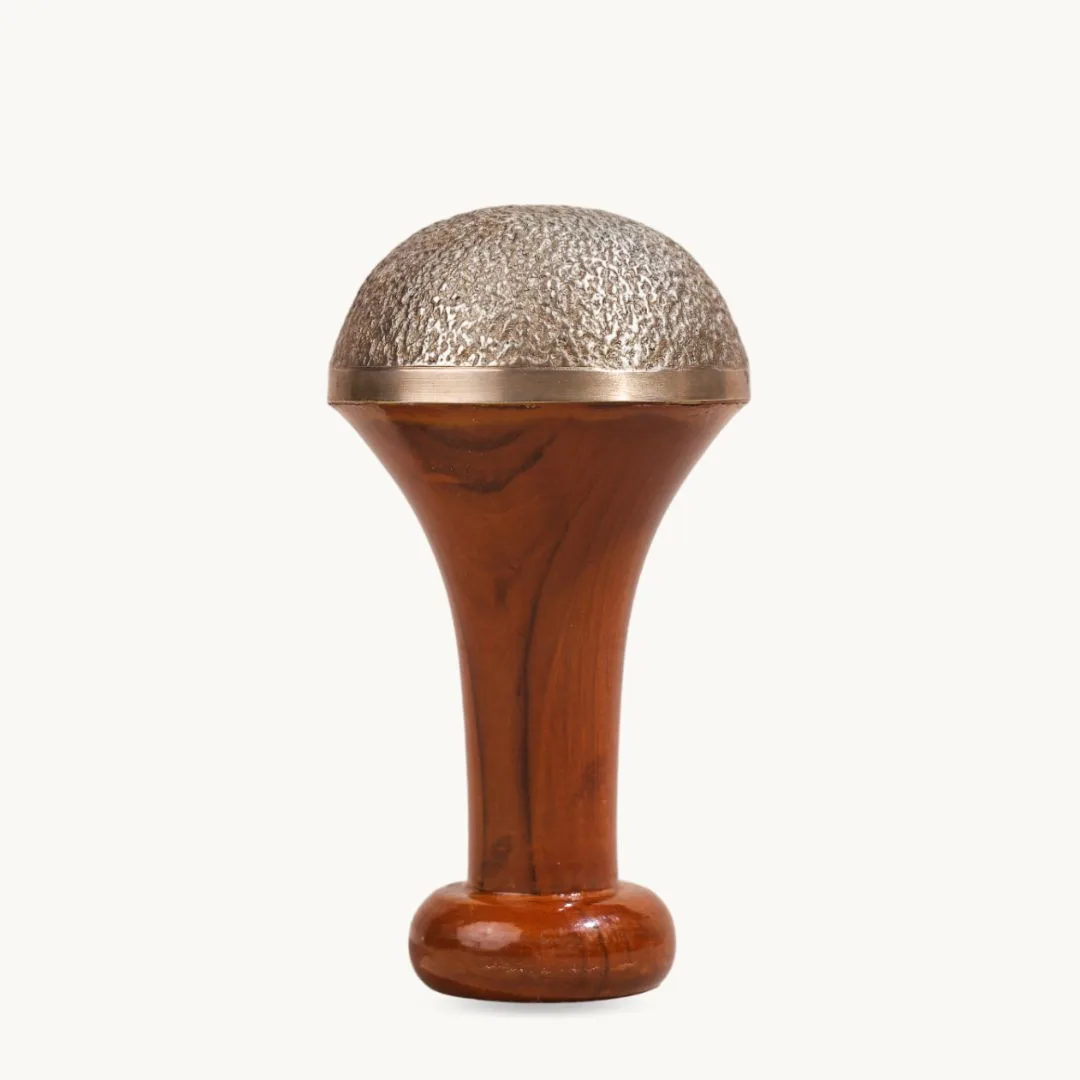
Once you reach the feet, allow a short rest and then follow the classical oil-then-warmth order with a warm shower or bath after a comfortable interval. The feet deserve a special mention, since traditional practice often closes a full-body routine there, sometimes with a bronze Kansa Vatki for the soles. This bridges the Kuzhambu ritual to the wider family of Ayurvedic self-care tools and gives the sequence a satisfying, grounding conclusion.
Building Your Head-to-Toe Kit
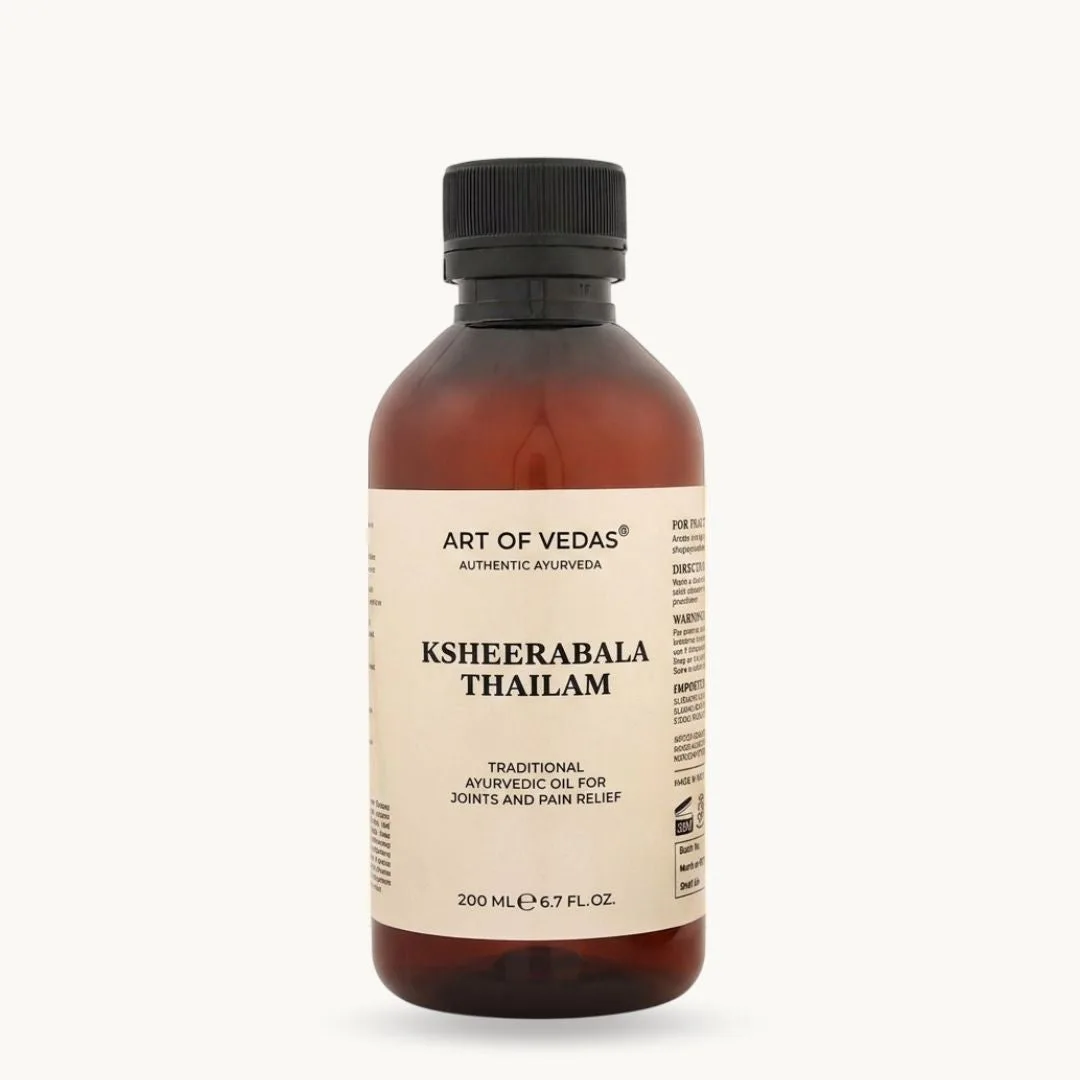
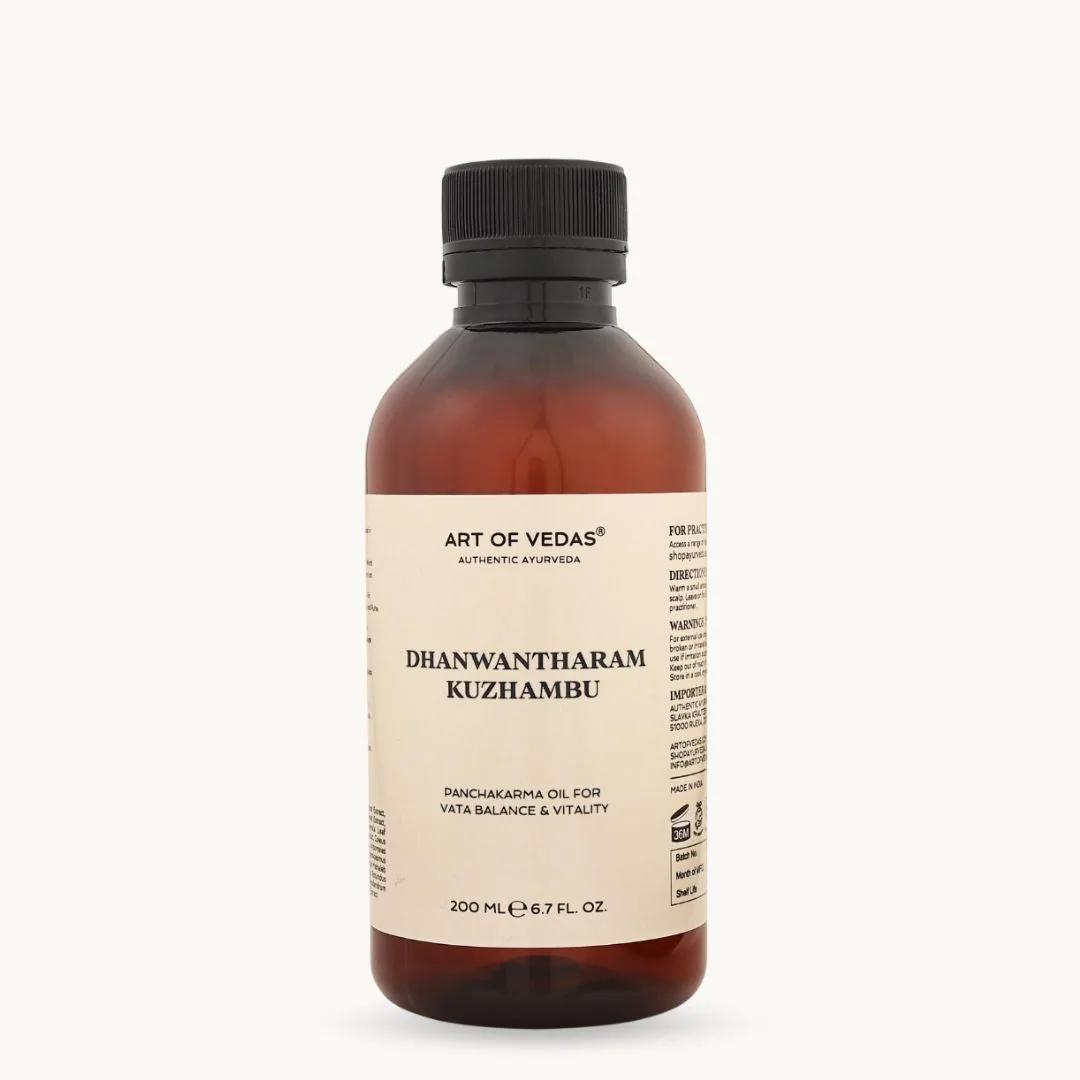
A small kit covers the whole sequence. A versatile Dhanwantharam Kuzhambu handles the limbs and larger areas, a fluid Ksheerabala Thailam suits lighter zones such as the scalp, and an Ayurveda Kansa Vatki closes the routine at the feet. To place this practice in context, read the Kuzhambu complete guide, follow the classical method in how to do Abhyanga at home, and see the Kansa Vatki foot massage ritual for the closing foot sequence.
Frequently Asked Questions
Is a Kuzhambu suitable for a full-body routine?
It is designed for targeted local work, so a full-body sequence simply moves that focused attention zone by zone. For very broad, fast coverage a lighter oil is more practical, and many people combine the two.
Which direction should I work?
The classical order moves from the crown downward, finishing at the feet. Working head to toe keeps the ritual settled and complete.
How long should the whole sequence take?
As long as you can give it unhurried. The point is a calm, attentive pace rather than a fixed duration, with the feet receiving a generous closing phase.
Do I bathe afterwards?
Yes. After a short rest, follow with a warm shower or bath, keeping to the traditional oil-then-warmth sequence.
Why finish at the feet?
Traditional practice gives the feet special attention as a grounding close, often with a Kansa Vatki on the soles, which rounds off the routine calmly.
Kuzhambu preparations from Art of Vedas are for external use only. They are personal care products, not medicines. For professional Panchakarma use, appropriate practitioner training applies. Consult a practitioner before use if pregnant or if you have a medical condition.